Search Results
Search this site
298 results found with an empty search
- Latest Trends for 911 Dispatch Consoles in 2021
9-1-1 Dispatch Furniture Trends In just a matter of weeks, the COVID-19 pandemic completely changed our society's way of life. PSAPs and 9-1-1 dispatch centers are no exception, with many them also having to adapt to the new reality. All of a sudden, space and hygiene became important considerations. Even more so for organisations in the process of acquiring new consoles or furniture equipment for their control centers, as it was uncertain if this was a temporary situation or not. Other considerations for dispatch consoles include technology integrations and ergonomic design. In this article, we'll go over the latest trends for 9-1-1 dispatch consoles and PSAP furniture in 2021. 1) Plexiglass Protective Barriers In response to the recent COVID-19 outbreak, Sustema developed the all-new ConsoleShield in an effort to promote social distancing and reduce the risk of airborne threats in control room environments. ConsoleShield is a high quality and easy to clean partition system designed to serve as a barrier against particles released when coughing to provide additional protection for operators. Partitions are tailored made to fit your consoles and room layout for optimal results. 2) Personal Environmental System PES 360 is a personal environmental system providing customized comfort at your fingertips. The user-friendly touch screen allows individuals to control the temperature, airflow, lighting, and surface height with one controller leaving the work-space uncluttered. PES 360 addresses the needs of operator comfort working long shifts by enabling them to adapt their console workstation environment to their preferences. PES 360 serves as a single control unit for all the workstation functionalities including fans speed, heater temperature, light intensity, and surface height preferences. 3) Anti-microbial Surfaces Now more than ever, organizations around the globe are looking into ways to promote better hygiene in the workplace to minimize risk of exposure to viruses. Mission-critical work environments have their own set of challenges as multiple people share the same workspace and equipment 24/7. With the health and safety of operators in mind, Sustema developed a line of consoles equipped with antimicrobial surfaces that can help reduce the growth of microorganisms such as bacteria and fungi killing up to 99.5% of microbes found on high touch areas. The result is a cleaner and safer work environment. 4) CPU Monitors With continuous development on electronic equipment, it is no surprise that CPUs are getting smaller and while CPU monitors are getting larger at more affordable price points. Here are a few trends we are seing with monitor displays used in PSAPs and emergency call centers. At Sustema, we'll work with you to identify the best monitor arm solution to fit and support your monitors. Size: The standard monitor size for dispatch consoles use to be 19" displays, but now, it is more common to see 24" which better works with CAD and radio systems. However, we've also seen a trend on using even larger displays all the way up to 50" monitors. One of the main reasons for this being easier for 911 operators to see information on maps. Portrait vs. Landscape: Another trend we've seen recently is on the positioning of the monitors with many centers placing them on "portrait" mode. A reason for this is to save space on the monitor work surface and making it easier for 911 dispatchers to read lists. Curved: While curved monitors are becoming more popular for standard office furniture, they are mostly used as a stand alone monitor. However, this trend has not yet met the needs for emergency call centers where operators require multiple monitors to view all the CAD information. The arc positioning using standard monitors remains the favorite option. 5) Urethane Edges Known for their unparalleled durability, urethane edges are one of the most popular products used in high-traffic areas such as 9-1-1 dispatch centers. Why you may ask? It is because the manufacturing sealing process eliminates the risk for microbial or moisture growth caused by water, coffee, and even cleaning agents to accumulate. It is also a softer texture than standard edges which is more comfortable to rest your wrist on for long periods of time which also works protects it better from scratches, bumps, and peeling. This is all due to the manufacturing process where the urethane is clamped to the work surface for the urethane to get inside the fibres of the surface and create a highly tight seal between the two elements. 6) Alerting System ConsoleAlert® provides instant insights on the status, activities, and performance of teams. Specifically developed for 911 emergency call centers (PSAP) applications, ConsoleALERT® lets operators request assistance from their supervisors directly from their console. ConsoleAlert® enables 911 dispatch centers and PSAPs to streamline communication between operators and supervisors 24/7. Control room and PSAP supervisors can rest assured their team is taken care of with ConsoleAlert® instant notifications to help them quickly identify the location of the operator requesting assistance. How does it work? Request Help: Operators simply press on the button from their workstation to send a help request to the PSAP supervisor. Alerting System: PSAP supervisors are instantly notified via the ConsoleAlert® application or through the status light. Take Over the Call: Once connected, the supervisor can take over the call and provide further assistance to the caller. Sustema Consoles Sustema has over 25 years helping organisations design and implement their control centers, 9-1-1 dispatch centers and IT-intensive work environments. We help organisations from the beginning consulting and design stages up to the final console installation in their facilities. Our manufacturing facility enables us to provide custom solutions to meet our client requirements in terms of design, technology, and ergonomics. Let us know how we can help by booking a virtual showroom tour or contacting us directly.
- Control Room Console Manufacturer
Control Room Console Manufacturer: Console manufacturers design and build technical furniture solutions for 24/7 mission-critical work environments. Consoles are used in a wide variety of applications such as command centers, 9-1-1 dispatch centers, PSAPs, EMS, crisis rooms, air traffic control centers, security monitoring centers, and much more. Difference Between Console & Office Furniture Manufacturers: Build Quality: The frames for many consoles are made from high-grade steel and the work surfaces are made of high-pressure laminate. Typical office furniture frames are made from wood composites and the work surfaces are not high-pressure laminate which means they are not built for 24/7 use and IT-intensive environments. Warranty: It is also interesting to know that most office furniture has short terms warranty while control room furniture specialists often offer a lifetime warranty on its workstations. Ergonomics: A big difference between office furniture and technical furniture is ergonomics. Technical furniture is designed to meet or exceed the highest ergonomic standards due to the fact it is being used in critical 24/7 environments. Technical furniture offers the option of height-adjustable work surfaces, personal environmental systems, accommodates multiple users, personal storage, and other creature comforts that make the user feel at ease at their work station. Customization: When it comes to control rooms, no facility is the same. Whether we are talking about the room dimensions, IT/power requirements, the number of users, LCD monitors, and applications, control room console manufacturers can provide custom furniture solutions for different applications such as air traffic control towers and energy plants. For instance, the focus console allows users to choose from multiple configurations adapted to their work environment. The consoles can be joined together at 5, 10, 30, and 45-degree angles allowing for maximum space utilization What is Sustema's Value Proposition? Sustema provides turnkey solutions to its customers by providing them with a full service from beginning to end of a project. At the beginning stages, our control room specialist will take the time to understand the unique needs and characteristics of your work environment. Once we understand the requirements for your center, our team of industrial designers creates preliminary designs to start mapping out the consoles based on your room dimensions and technical requirements. When designs are approved, the manufacturing process begins at our manufacturing facility where consoles are assembled, tested, and shipped directly to your location. The installation is then coordinated with you to ensure the continuity of your services. Once the installation is completed, we stay in touch with our customers and available for any inquiries they may have. With 20+ years of experience in the industry helping thousands of clients across Nort-America, we are committed to design and manufacture the best control room solutions for our clients. Turnkey Control Room Solutions Consulting Design Manufacturing Delivery Installation Servicing Where Can You Buy Control Room Consoles? Consoles can be acquired in different ways depending on the nature of your project or organization. Here are common ways to purchase control room consoles and technical furniture solutions. Console Manufacturers: Whether you are a private or government organization, it is possible to contact console manufacturers directly to inquire about console furniture solutions. Going directly to the manufacturer can help with better and faster communication. Government Bid/Tender: For government organizations, it is common to go through a bidding process where clients can create a specific list of requirements for different manufacturers to bid on. Dealers/Resellers: It is also possible to go through dealers to acquire consoles or other agents such as architect firms who may also be responsible for the overall construction of the renovated or newly built control center location. Sustema is a Canadian control room consoles manufacturer serving clients across North-America (United-States). For any questions or inquiries about our control room console manufacturing services please contact us at info@sustema.com or by phone at 1-800-455-8450.
- Command Center Consoles - Focus Series C-200
Command Center Consoles The Focus C-200 system is specially designed for IT-intensive environments often operating 24 hours a day, 7 days a week. The modern design of the Focus system surpasses industry standards in terms of flexibility, strength, and durability. The modularity of the console system enables us to create semi-open or closed workspaces according to the needs of your organization . Space Planning & Flexibility The Focus console system is recognized for being highly modular and capable of adapting to any workspace environment. The system comprises 38 and 72-inch (96.5 and 82.8 cm) high and 36, 48, 60, and 72-inch (91.4 - 121.9 - 152.4 and 182.8 cm) wide workstations. The system can be arranged as a stand-alone unit, in a U shape, side-by-side, back-to-back, concave, or convex configuration (5 to 180-degree adjustment angles). Divider panels, made of tempered glass, laminate, or covered with fabric, can be added to the basic structure to create 50 or 56-inch (127 or 142.2 cm) high isolated consoles. Work surfaces come in different shapes and dimensions and can be adapted to the user’s needs. Modular Configurations The Focus console allows users to choose from multiple configurations adapted to their work environment. The consoles can be joined together at 5, 10, 30, and 45-degree angles allowing for maximum space utilization. Other angles are available upon request. The Focus system can integrate different types of designs such as the linear, cockpit, curved, and L-shaped surfaces. Cable Management The Focus system is designed to accommodate IT equipment and manage power and data cables. The power channels are structured and organized to be physically separated and easily accessible for fast equipment troubleshooting or computer network modifications. The space inside the console is equipped with power and network raceways used to route cables in and out of the console. The wall system supporting the structure of the system has a dual purpose, also integrating raceways to organize cables. In case the console integrated height-adjustable surfaces, cable chains are installed to run cables from the monitors and accessories to the CPU. Power bars are installed inside the system to power all the equipment and accessories required by operators. Retractable monuments can also be integrated on the work surface for easy access to power and data. Slat Wall Accessories The Focus console offers a complete array of stands and articulated arms for LCD monitors. The sturdy slat wall panel accommodates multiple horizontal and vertical monitor configurations. The Focus system offers a series of office accessories that meet the needs of users including lamps, accessory shelves, pencil holders, telephone and paper holders, tack boards, whiteboards, and keyboard supports. Focus Series C-200 Installations Sustema offers turnkey solutions, from designing your control room to the installation of the consoles and workstations . Our transportation and installation teams deliver a professional and efficient service each and every time. Our team of certified installation professionals are highly trained and also take additional site-specific training as needed to ensure we meet your certification and safety standards. We have security clearances to some of the most important facilities in the world. We will work with you to ensure our team members understand and fully comply with all security protocols. Once the installation is complete, Sustema stays committed to its customers by providing additional consultation and support, console maintenance to ensure the continued performance of your control room.
- Happy Holidays!
Happy Holidays! With the holiday season just around the corner, we want to take a moment to thank you and all of those that have supported us for the opportunity to work with you over the past year. It is in the spirit of the holidays that we wish you and your family a holiday season filled with joy and laughter and look forward to working with you soon. - Sustema Team Joyeuses Fêtes! Le temps des fêtes approche à grand pas, c'est pourquoi nous voulons prendre un moment pour remercier tous ceux qui nous ont soutenus au cours de l'année 2020. L'équipe Sustema vous souhaite, à vous et à votre famille, de très joyeuses fêtes et une bonne année remplie bonheur. Nous espérons travailler avec vous prochainement! - L'Équipe Sustema
- Ergonomic Work Posture & Accessories
Whether you are working in a 24/7 mission-critical work environment or from your home office, it is important to have an ergonomic posture to prevent injuries such as herniated discs, overall muscle weakness, metabolic syndrome, and musculoskeletal disorders among many others. Here are a few tips to help you understand how to sit or stand properly while working at your desk. Ergonomic Arm Position An aspect that is often overlooked when working at your desk is the position of your arms. The arms should be angled at 90 degrees and the desk should be set to the height of your forearms. Note that it is preferable to have the arms sit on the armrests rather than the surface itself to ensure the 90-degree angle is respected. A good way to determine if you have enough space is to move the chair up to the desk and see if the armrests can fit under the work surface. If it is not possible to fit the armrests below the chair, it might be better to opt for adjustable chairs or even better, an adjustable workstation. Other advantages of height-adjustable workstations in the workplace are their versatility for being user-friendly. For instance, people that are shorter, taller, or have disabilities will have access to the same level of comfort at work. Standing desks also allows users to alternate between sitting and standing throughout the day. While working on a standing desk can help improve your position throughout the day, it is still important to make sure you are standing properly. For instance, the forearms must be bent at 90 degrees with the work surface. In other words, the height of the surface should be set to reach the height of your forearms. Ergonomic Leg Position Whenever you are working in a seated position, the desk should allow you to stretch your legs when rolling the chair underneath the surface. When working in a standing position, your feet and hips should be positioned in a straight line. It is recommended to breakdown your schedule into 20 minutes sessions for sitting and standing throughout the day. Ergonomic Neck Position A common mistake with people that work at their desks is to have their heads slightly forward to get a closer look at the monitors. However, this posture is known for causing strain on the neck muscles. You can correct this by bringing your neck back to its original position, looking ahead, and pushing the chin back as if holding something against it. Ergonomic Accessories LCD monitors While it is helpful to have in mind your shoulder and neck posture, it can be highly beneficial to place the monitors correctly to help you keep an ergonomic posture throughout the day. Constantly having to look up and down to the monitors can create fatigue, pain, and muscle discomfort over time. The recommended viewing distance is anywhere between 50 and 100 centimeters from the eyes to the surface of the screen. Whenever possible, it is also recommended to slightly tilt the monitor upward to 10-20. This can be achieved by having the monitors mounted to ergonomic LCD arms. The height of the monitors should be set in line with your eyes. If you are working with larger monitors, they should be set further away but not so far that you bring your neck forward to see better. Conversely, if the monitor is too close, it will put pressure on your eyes and push you to sit further away in an awkward position. Keyboards The position of elbows, wrists, and hands and how we use keyboards and mice is often overlooked. Not surprisingly, wrist pain is the third most common problem after eye and back strain. However, acquiring an ergonomic keyboard or mouse is also one of the most affordable investments to improve our posture at work. The best way to use a keyboard is by keeping the hands parallel to each other in a neutral position. Most of us use the keyboard angled inwards or outwards which puts a strain on the wrists and can result in tennis or golfer’s elbow or wrist pain. This is often due to the small size of the keyboard. In order to keep a natural hand posture, it can be helpful to use the brackets of the keyboard or a small mat in front of the keyboard. If it is difficult to have the hand parallel to each other, ergonomic keyboards have their keys separated from each other in order to allow the arms to rest in a straight line with your body rather than pulling inwards. Ergonomic keyboards can also be designed with an angled design or the "split design" where the keys are from each hand are separated for the forearms and wrists to sit in a more natural position. Mouse The principle behind using the mouse properly is similar to the keyboard explained earlier. The goal is to have the hand sit on the mouse on a natural position to avoid any strain on the wrist. You can achieve this by having the fingers aligned on a straight position. Mouses designed with a lower profile can help avoid having a weird upward angle on the wrist. It is also important to know that it is better to move the mouse by moving the arm rather than the wrist. If you feel pain in the wrist at the end of a workday, purchasing an ergonomic mouse will definitely help you improve the hand posture. Here are a few examples of ergonomic mouses. Trackball Mouse: Having a trackball is useful for those who tend to use their wrists to move the mouse on the computer. It uses an easy movement of the fingers to move the mouse and offer more precision. Trackballs are often used in 24/7 work environments where operators work long shifts. Handshoe Mouse: Handshoe mouses are designed to fit the hand more naturally as if resting it. The mouse is slightly angled rather than rounded or flat to follow the natural position of the fingers. These are well known for helping to reduce wrist pain. Verticle Mouse: As their name implies it, vertical mouses are designed to fit the hand as if it were sitting on the table naturally rather than being turned down. This also helps to reduce injuries in the wrists as it encourages users to move their arms to move the mouse. Ergonomic Posture In summary, having an ergonomic posture while working is the sum of the whole body posture, from the way you place your legs, arms, shoulders, neck, and hands. However, having the right ergonomic accessories can highly improve to keep the overall posture and avoid common injuries such as muscle strain. Sustema has over 20+ years designing and manufacturing ergonomic control room consoles for 24/7 work environments. We take pride in providing the most advanced console systems in terms of technology and ergonomy.
- 10 Christmas Gift Ideas for the Kids of 9-1-1 Operators
10 Christmas Gift Ideas It's this time of the year again! 2020 had every single one of us on a rollercoaster of events, including our little ones. Unfortunately, many 9-1-1 operators will not be able to spend Christmas at home with their families this year, however, it is the perfect opportunity to explain why to our kids with a very well-deserved gift. Sustema made a list of 10 Christmas gift ideas related to the public safety/emergency industry so your little ones can feel just a bit closer to you this Christmas. 1) Learning Resources: 9-1-1 Teaching Telephone Kids develop early language and social skills with this easy to program telephone. Teach your child how to call home, 911 and other important numbers. Program any number and record a message. When your child dials the number correctly, they will hear your personal message. Kids love to emulate adults around them--give them the pleasure of learning to use their very own phone with the Pretend & Play Teaching Telephone. The bright red and yellow plastic unit measures 7 inches across and has large buttons for easy use. Program in a number (your home, for example) and record a message for the kids to hear when they get it right. There's also an emergency message associated with 911 to teach them what to do when trouble strikes. Other fun features include a speed dial and an 11-digit display. This award-winning, programmable telephone helps children learn how to call home, the 911 Emergency Service, and other important telephone numbers. Program in any number (with or without 1 + area code) and record a message. When children dial the number correctly, they hear YOUR message! Program a new number and record a new message again and again! Also plays preprogrammed messages. Learn More 2) Paw Patrol, True Metal Adventure Bay Rescue Way Experience double the fun with PAW Patrol and the True Metal Adventure Bay Rescue Way Playset! This exciting Lookout Tower track set has two-track paths and can launch up to six 1:55 scale PAW Patrol True Metal vehicles at once! Plus, it comes with exclusive versions of Chase and Marshall’s die-cast vehicles! Featuring authentic details and graphics, real working wheels, and metal die-cast material, the True Metal vehicles look just like the PAW Patrol’s vehicles from the hit show. Load the whole PAW Patrol team in the top of the tower and race to the rescue any way you want. Push the periscope to launch the pups into action and put out the fire at the bottom of the tower! Watch as the vehicles wind around the tower on the corkscrew path, activating dual garage launchers for even more vehicle action, or use the diverter to send them straight down the drop ramp! For even more exciting PAW Patrol True Metal action, add all of the vehicles to your collection. Speed to the rescue with the PAW Patrol True Metal Adventure Bay Rescue Way Playset! Learn More 3) Playmobil Police Station Building Set Use your resources at the police station to catch the bad guys on land or in the sky. While the police helicopter patrols from above, the police car, with flashing lights and sound, is in pursuit below. Thanks to the pull-back motor, this thief has one quick getaway car, but he's no match for the police. Once the thief is captured, he is brought into the station's booking area to be photographed for his mug shot. The police car has extra storage space and a removable roof to accommodate both passengers and police gear. Equipped with flashing lights and sound, the police car can also be upgraded with a PLAYMOBIL remote control set. When the day's action is over, the helicopter can land on the station helipad. Set includes four figures, police station, police car, helicopter, quad, computers, the camera with tripod, megaphone, roadblocks , and lots of other accessories. Recommended for ages four years and up. Learn More 4) LEGO City Fire Station/Fire Rescue Tower Building Set Kids can protect the citizens of LEGO city with the action-packed fire rescue building set, featuring a 3-level fire station. This firehouse is equipped with an office, relaxation room, Scout toy tower, and small waterside dock for a water scooter. Plus, this building toy includes a separate toy garage with a large opening front door and a landing pad for the detachable scouting toy drone with spinning rotors and camera. Kids can quickly reach fires with the fire off-road toy vehicle, complete with a stud-shooting fire hose and new working light and sound building bricks. This build and playset come with 4 mini-figures , including a fire chief, firefighters, and fire dog figure. Learn More 5) PJ Masks Headquarters Playset The PJ masks headquarters playset features three levels of action-packed hero fun! this dynamic playset has interactive lights and sounds and even comes with one 3" Catboy figure and his iconic cat-car vehicle the PJ masks heroes can choose their mission on the lights and sounds control center and zoom down the slide into nighttime adventures use the Super owl-vision on the top level to keep an eye out for intruders. The control center plays fun phrases from the show and lights up when you press the buttons. take the elevator up to the second floor and use the furball shooter to fend off unwanted invaders or swing on the cat rings to train for missions. Capture villains in the moveable tree trap and use the revolving door for quick escapes there is even a pop-out launching pad on the bottom floor to drive vehicles through. The headquarters is compatible with all 3" PJ masks figures (sold separately) so kids can play with all six available characters and recreate favorite scenes from the show. the PJ masks headquarters playset is the ultimate PJ masks adventure toy! full set includes one headquarters playset with loads of features, one 3" poseable Catboy figure, one cat-car vehicle. All other figures and vehicles sold separately. Ages 3+ Learn More 6) Melissa & Doug Emergency Vehicle Carrier This giant two-level tractor-trailer comes stocked with four wooden emergency vehicles and delivers unlimited play possibilities! Lower the upper deck to extend the truck to nearly two feet long and to allow the vehicles to roll off and race to the rescue. There's a helicopter with a rotating blade, a fire engine, a police car, and an ambulance, so kids can respond to any imaginative emergency. Classic design and sturdy construction is sure to last through years of hands-on play, and smoothly moving parts help kids three and older develop fine motor skills, movement, and hand-eye coordination. The Melissa & Doug Emergency Vehicle Carrier includes a two-level tractor-trailer that picks up and delivers four emergency vehicles. The carrier is easy to load, with a second level that lowers to allow kids to roll the vehicles onto 2 different levels. The Melissa & Doug Emergency Vehicle Carrier makes an exceptional gift for kids 3 and older. Add the Melissa & Doug Magnetic Car Loader to round out the screen-free pretend play experience. Learn More 7) LEGO City Police Mobile Command Center Truck Let your kid part of the action with the LEGO City Police Mobile Command Center as they stop the crooks escape from the toy jail cell in the mobile command center. With 374 pieces, this police station toy features a detachable truck cab, room for two mini action figures, monitoring room with screens, satellite dish, opening roof, side doors and rear ramp, storage area for the motorbike and tools, and a jail cell breakout feature, plus the crooks’ ATV. This cool cop building toy includes four mini-figures and a police dog figure. Police sets and accessories are perfect for boys and girls aged 6 to 12 years old. Learn More 8) Paw Patrol, Chase’s 5-in-1 Ultimate Cruiser Ultimate rescues call for the ultimate PAW Patrol vehicle! Save the day with Chase’s Ultimate Cruiser! Packed with exciting features to discover, including flashing lights and sounds, this huge cruiser is five awesome vehicles in one. With the cruiser itself, two motorcycles, a boat, and a helicopter, the Ultimate Cruiser is ready for anything!. From the driver’s seat, Chase has the perfect vantage point to spot trouble and launch projectiles. Take down obstacles, then attach the launcher to another spot on the cruiser or on the helicopter! Send the motorcycles straight into high-speed action by pushing the button on top of the cruiser – the sides pop out, automatically launching both bikes! For aerial back-up, press the button on the back of the cruiser to send two pups to the sky in the helicopter! The top of the cruiser opens up, activating the chopper’s lift-off – as the helicopter rises up from inside the vehicle, the propellers spin into action! Pick the helicopter up out of the cruiser, rotate the propellers by hand, and soar to the rescue! Finally, tackle any water rescue with the boat. With the Ultimate Cruiser, you can play out epic rescues again and again, just like the pups do in the show! The Ultimate Cruiser is a must-have for PAW Patrol fans and makes a great gift. Join the PAW Patrol on action-packed missions with Chase’s Ultimate Cruiser! Learn More 9) Paw Patrol Ultimate Rescue Fire Truck An ultimate rescue needs an ultimate vehicle! Save the day with Marshall’s Ultimate Rescue Fire Truck! This vehicle is equipped with an extendable 2 ft. tall ladder, flashing lights, and sounds – it’s ready for anything! To activate, simply lift and pull! The adventure begins with Marshall (figure included) in the lookout cab. Lift open the top to help Marshall leap into action! Using the water cannon launcher at the bottom of the cab, you can send up to three water cannons (included) flying into the fire! When Marshall needs a helping paw, there’s room for all six pups (not included) aboard this fire truck! With Skye behind the wheel and Zuma operating the water cannon at the back of the truck, Marshall can hop into the Mini Fire Cart! Stored inside the fire truck, the Mini Fire Cart rolls right into action! The Ultimate Fire Truck also features a mini fire hose for small missions. When you and Marshall spot a baby animal in trouble, use the extendable working claw arm to pick them up and lift them to safety. Take the pups on exciting new adventures with the Ultimate Rescue Fire Truck! Learn More 10) VTech Go! Go! Smart Wheels Emergency Vehicles Be first on the scene with the Go! Go! Smart Wheels Emergency Vehicles 3-Pack. The set includes an ambulance, a police car, and a fire truck. Press each toy vehicle’s light-up button to hear three sing-along songs and learn the first letter of the vehicle's name. Push the vehicles to hear fun sounds and melodies. While a melody is playing, push them again to add fun sound effects. The vehicles also respond to SmartPoint locations with different phrases and more on Go! Go! Smart Animals and Go! Go! Smart Wheels playsets (each sold separately). Learn More
- What is the difference between single surface and dual surface consoles?
Control Room Consoles When it comes to control rooms or 9-1-1 dispatch centers, no facility is the same. Whether we are talking about the room dimensions, IT/power requirements, nb of users, nb of LCD monitors, and applications. For instance, air traffic control towers will have very different needs in terms of furniture from let's say, an energy plant. This brings us to the question, what's the difference between single surface and dual surface consoles? Well, it all depends on what you are planning to use it for, and how. In this article, we will go over some key differentiators, benefits, and advantages for each console style. Single Surface Consoles: Single surface consoles are available in two formats, with a fixed work surface or with an electric height-adjustable work surface. Choosing between either one of these options will influence the overall console design. For instance the cable management system, the structure, the type of monitor mounts, and the number of CPUs among other things. This is why it is important to understand from the beginning who and how the system will be used. Single / Fixed Work Surface Starting with the base of the structure, fixed work surface consoles require a sturdy leg system to support all the IT equipment, CPU monitors, and work surface. Sustema uses a metallic base for all of its consoles to ensure the system remains stable over time. The leg system is mounted to the Focus wall for more support which also serves as a cable management system. Inside the wall, you can find cable raceways to run all the power and data cable, insert power bars, and telephone/radio lines. What's interesting is that with the wall system is that work surfaces can be installed on both sides of the wall, having two consoles using the same support system, back-to-back. CPU enclosures are attached directly to the lower base of the wall system and are easily accessible underneath the console. The wall system does not only serve as a support or separator, it can actually be integrated with monuments directly on its structure, it can be used to mount accessories such as phone/laptop/file holders, and even serve as the mound for CPU monitors. In order to maximize the user workspace, monitor arms can be mounted directly on the wall system to save space. This is one of the main differentiators with height-adjustable work surfaces as monitor arms have to be mounted on the surface itself rather than the wall. In terms of ergonomics, consoles with fixed work surfaces do not offer the same advantages as height-adjustable consoles as users do not have the same flexibility to stretch and move while working. Single fixed surface consoles such as the Focus C-200 series offer great flexibility in terms of the price. This is mainly due to the system not having as much or no electronics at all. The focus system is a great solution for 24/7 work environments with high-traffic areas as it is made to withstand intensive 24/7 use and integrate all the IT equipment requires for control rooms and command centers. Single / Height-Adjustable Surface Single surface consoles with height-adjustable capabilities will surely make your staff feel more comfortable while working. Height-adjustable work surfaces enable users to alter between a sitting and standing position throughout the day to avoid health issues due to the sedentary nature of office jobs. With the single push of a button, the work surface rises to the preferred position of each user. The system also allows users to program their preferred position on the console keypads . The base of the structure differs slightly from fixed surface consoles. For instance, rather than using the standard leg system, the casing underneath the surfaces serves both as the support of the console and as the storage space for the actuators used to raise/lower the surfaces. The casing is made of metallic panels to ensure the sturdiness of the system. Single surface console with height-adjustable capabilities also uses the Focus wall as support and a cable management system. The wall has removable panels on the back to access cable raceways, power strips, and other accessories. CPU's can be accessed from the front of the console inside of the secured enclosures. Aside from the adjustable surfaces, the main differentiator is the way in which monitor arms are mounted on the console. As mentioned previously, fixed work surfaces enabled us to mount the monitor arms directly on the wall system. However, since we now have an adjustable surface, doing so would block the surfaces from going up, monitor arms have to be mounted directly on the work surface. A compromise has to be made between the available workspace and the advantages of an adjustable surface. Monitor arms can be mounted in many ways to the surface, for instance by using clamps, by inserting a hole on the surface, using the bolt-through system, or by using the sus-track which enables users to mount multiple monitor arms on the length of the surface. Dual Surface Consoles Dual surface consoles offer the greatest flexibility for users in terms of ergonomics, functionality, and technology. Dual surface control room consoles offer the height-adjustable feature on both surfaces for maximum comfort. So, what's the difference between single surface consoles and dual surface consoles? The key differentiator is that on a dual surface console, the primary surface serves as the workspace for users, and the second surface serves as the support for the monitors. The issues from having only one adjustable surface with less space to work is then resolved as the monitors do not take any space. It also offers a more comfortable work position either sitting or standing. The reason being that users can set their preferred height on each surface. For instance, setting the position on the primary work surface to comfortable place their forearms, and setting the second surface to have a comfortable vision to look at the monitors. Dual surface consoles like the Transit C-300 series can be designed with or without the wall system. The main reason is that the cable management can be integrated inside the CPU enclosures underneath the console. The CPU enclosures are secured, ventilated, and can host all the IT equipment required for highly technical jobs. For instance, KVMs, 19" rackmounts, multiple power bars, and even host the actuators required to raise/lower the surfaces. Since CPU monitors are placed on their own surface, the dual-surface console offers more flexibility in the number of monitors and the ways they can be mounted. For instance, monitors can be mounted using the bolt-through system, the sus-track along the surface, or even with the focal-shelf system which allows users not only to adjust the monitor height but also to adjust the depth of the monitors (closer or further away). Which System Is The Best? The answer is, it all depends. For example, dual surface consoles are made for 24/7 applications where users need to spend long shifts at their station. You may not need this level of ergonomic in a workstation that will only be used a few hours per day. Also, if you need to host a lot of CPUs monitors, and IT equipment on the console, the fixed console may not offer you the most space making the dual surface console more convenient. At Sustema, we will make sure to offer the best solution based on your specific needs. If you have any questions please contact us by email at info@sustema.com, by phone at our toll-free number 1-800-455-8450, or by chatting with is directly on our website.
- Worksurface Edges for 9-1-1 Dispatch Consoles
Worksurface Edges for Hight-Traffic Areas From the console structure to the ergonomic accessories, 24/7 work environments will require high-quality furniture equipment in order to withstand the intensive usage over time. However, one of the elements that is often overlooked is the worksurface edge. The edge of the worksurface is one of the main touchpoints between dispatchers and the console. It will be used to rest their wrists, forearms, or elbows which is why its design can have a large impact on their comfort at work. Additionally, the surface edge also serves as a cushion to protect the surface from being scratched by chairs, doors, or people passing by. For these reasons, Sustema makes sure to provide the highest design and quality materials so that something as simple as the edge of the surface does not fall off or stick out over time and so that your users have the latest ergonomic products. Types of Edges In this article, we will go over different designs and models of surface edges commonly used in 24/7 applications such as control rooms and 911 dispatch centers. Urethane T-Molding Edgebands Urethane Edges Known for their unparalleled durability, urethane edges are one of the most popular products used in high-traffic areas such as 9-1-1 dispatch centers. Why you may ask? It is because the manufacturing sealing process eliminates the risk for microbial or moisture growth caused by water, coffee, and even cleaning agents to accumulate. It is also a softer texture than standard edges which is more comfortable to rest your wrist on for long periods of time which also works protects it better from scratches, bumps, and peeling. This is all due to the manufacturing process where the urethane is clamped to the work surface for the urethane to penetrate the fibers of the surface and create a highly tight seal between the two elements. Waterfall Edge: The following image shows the contact point between the urethane and wood substrate. Knife Edge T-Molding Another popular product used in 24/7 work environments are the T-molding edges whose name comes from the method used to attach it to the work surface which creates the shape of a "T". (See pictures below: Bumper). T-edge finish moldings are also used for a wide variety of applications and materials such as aluminum, metal, and wood. In the case of 911 dispatch furniture , edges are often made out of PVC or rubber polymers. The T-molding is manually attached to the work surface by inserting it inside a channel along the edge of the wood particle surface. T-molding edges are made of a semi-soft material which is also resistant to bumps and color change but can easily scratch if not taken care of. However, they are easy to replace in case of an incident. You can recognize T-molding edges as they are often rounded or semi-rounded. Bullnose Bumper Edgeband Edgebans are made of polymers, usually PVC, which is attached to the work surface via a gluing and heating process. The glue is first applied to the work surface and rollers then press the edge band to glue it. The surfaces are then stored for the glue to cool down. Most commonly used in standard office and home furniture, edge bands are still a popular choice among consumers. However, they do not offer the same quality in terms of ergonomy for the user and durability as they can stick out over time if the glue used is not of a certain quality. However, edge bands offer great resistants to cracks and scratches. In our experience, edge bands work great for the sides or perimeter of the console surface which is not exposed to the users due to its lower price and high durability. It is not recommended to be used on the front surface edge since it can tend to peal with intensive usage and does not respect the ergonomic standards to rest your hand and wrists. Square Corner Edgeband Conclusion In conclusion, the surface edge should have the same if not more consideration as the ergonomic chairs as it is one of the main touch areas between operators and their dispatch consoles. The surface edge should be comfortable for long shifts and durable to last the whole life of the console (10+ years). At Sustema, we will work with you to understand your needs and advise you on the best solution for your work environment. Let us know how we can help by using our online chat tool, writing us an email at info@sustema.com , or calling us directly at 1-800-455-8450.
- CPU Enclosures for 9-1-1 Dispatch Consoles
Computer Cabinet Storage Unlike standard office furniture where CPUs are placed over the work surface or underneath it using a hanging shelf, the nature of activities in the 9-1-1 dispatch centers requires them to use much more complex CPU enclosures. The reason being that CPU enclosures for this type of application need to adhere to standards ergonomic principles such as giving the proper leg clearance for its users, but also, they need to act as fail-safe mechanisms that can help avoid any interruption to the electronic equipment used by operators such as the CPUs, the monitors, radios, and KVMs. Things to Consider When looking to upgrade your 9-1-1 dispatch consoles, it is important to consider where your current system is performing well and what could be improved in terms of design and technology. This can be helpful when you talk about your needs to your console manufacturer as it will guide the design and type of solution needed for your communications center. Here is a list of some things to consider. Is there enough space? It can be helpful to have space to grow the system over time without crowding the equipment inside the CPU enclosure. Is there a proper cable management system? Having enough space is also a matter of managing the cables from the equipment properly. In time, cables get wind up together and make it harder to access the equipment when troubleshooting which brings me to the next point. Is there enough power? Are you running out of places where to find power for your equipment? This is an important point to take note of as it can highly influence the design process and your ability to grow your IT-system over time. Is there proper ventilation? something as simple as having openings in the enclosures can help dissipate the heat produced from computers. You may have a ventilation system but does it make too much noise? Or, does it turn on at random times? Is it easy to access? Do the IT technicians spend more time trying to reach the computers rather than troubleshooting the systems? in 24/7 mission-critical applications, this should not be the case. Technicians should be able to troubleshoot any issues quickly. Custom Design & Quality At Sustema, CPU enclosures are designed based on each client's needs in terms of size, functionality, style, and technology integrations. The enclosures are made out of heavy-duty steel to make sure they can withstand 24/7 use without bending over time like other wood composites used by other console manufacturers. The CPU enclosures can be placed underneath the work surface, either in the middle section or on the sides. Made of steel & highly secured with locks Multiple configurations, under the work surface, in the middle, or on the sides Colors include black, charcoal, white, or silver Can be made for raised floors with access from the bottom Custom enclosure vents in the front, back, and top Ergonomic Functionality CPU enclosures are designed to meet the needs of today's reality in the emergency communications center. With operators often working long shifts, it is important to consider things such as having enough leg space underneath the console in order for people from different heights to work comfortably. In terms of ergonomic functionality, Sustema designs CPU enclosures that provide easy access to the IT-equipment from the front or back, and with sliding CPU shelves. For those of you who happen to work in colder areas, it is also possible to add heaters underneath the work surface to keep your staff warm. While the controls for the heaters are on the work surface, the heaters are integrated at the base of the CPU enclosure or on the sides. Learn more 18" leg clearance under the work surface Min. 24" knee clearance for height-adjustable consoles Sliding CPU Shelves, accessible from the front & back Heaters Technology Integrations Every aspect of a dispatch console is designed to integrate both ergonomy and technology for operators to interact seamlessly with their equipment. At Sustema, the CPU enclosures are no exception. Depending on the IT requirements in your communications center, dispatch consoles are capable of hosting more than 6 CPUs simultaneously without overcrowding the space thanks to a smart cable management system. We are also able to integrate 19" rackmounts directly inside the enclosure, and KVM boxes. The enclosure can also serve as a power hub for all the equipment used on the console by integrating power bars or power outlet walls. With all the energy used by CPUs and other IT equipment , it is not surprising that the enclosure can overheat at certain times. To overcome this issue, we've integrated silent thermostatic fans to dissipate the hot air outside the enclosure. The thermostatic fans can be programmed to monitor the temperature inside the cabinet and release the hot air as needed to save energy. *As a bonus, it is also possible to add automatic lights inside the enclosure so whenever someone opens the doors, the light turns on so you can see the equipment inside without having to use a lamp. Power Outlet Wall/Power bars Silent Thermostatic Ventilation Automatic LED Lights 6+ CPUs KVM Enclosure 19" Rackmount Integration CPU Cabinet Storage Space While it is nice to have uncluttered work surfaces, sometimes it can create another issue. Where do I put my belongings? You may think that it can be kept at the lockers but it is always good to have some storage space at hand. This can be used for the operator's personal belongings or to store work-related documents and equipment. At Sustema, we can customize the CPU enclosures to become storage areas that are easily accessible with sliding doors. Cable Management One of the questions that often comes up with our clients is the cable management system that will be used to organize the cables from all the equipment. At Sustema, we've become experts in providing this type of solution and even making it work for height-adjustable surfaces. We do this by integrating power and data raceways where cables will be run through. These are then run through cable chains to power the equipment on the work surface such as the monitors, keyboards, mouses, touch screens, phones, and much more. Benefits of Sustema's CPU Enclosures Sustema ensures your equipment is easily accessible for quick maintenance. Equipment cabinets come in multiple configurations and sizes, including, internal power, LED lighting, silent cooling fans, and cable management. CPU Cabinet Storage CPU or computer storage in workstation consoles should always adhere to standard ergonomic principles, keeping the user’s knee and leg space clear and free of obstructions. Slide-out CPU shelves Built-in cooling fans LED lighting Front/back cabinet Air circulation venting Heavy-duty metallic construction Leg and knee space clear of obstructions Contact us to learn more about our custom CPU enclosures for 9-1-1 dispatch consoles. info@sustema.com 1-800-455-8450
- NENA TC Tip: Do I have PTSD?
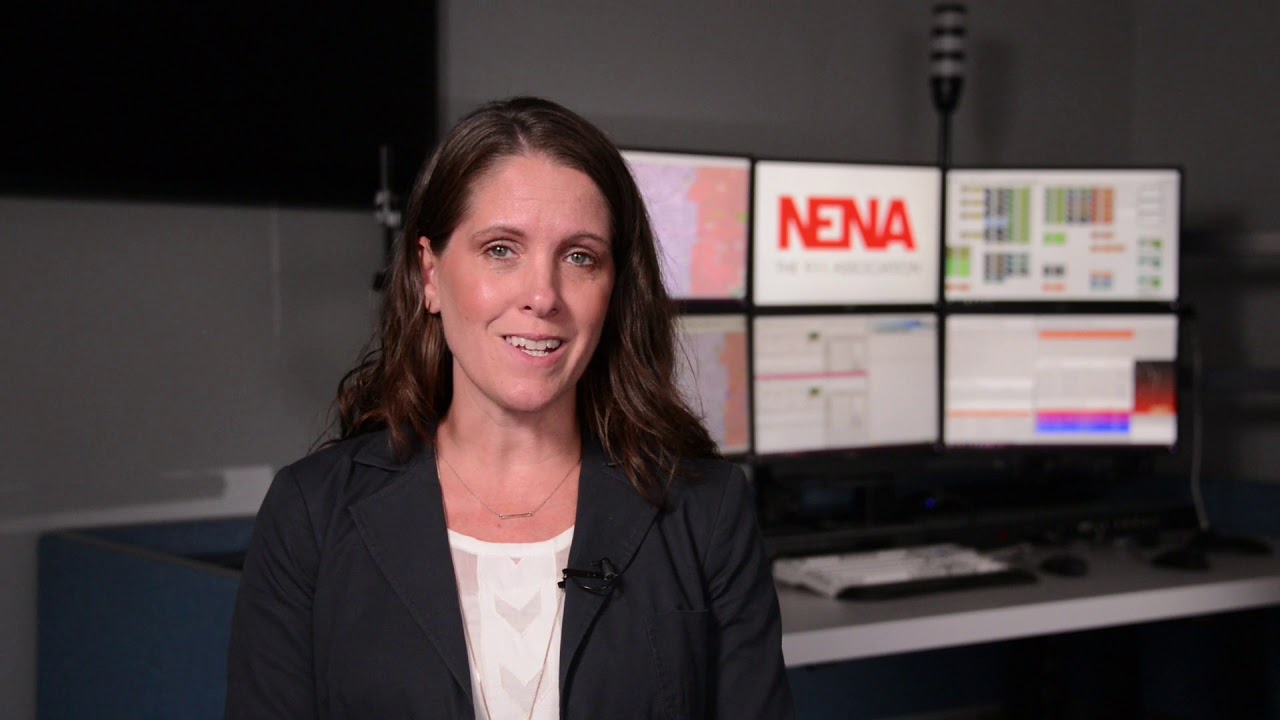
This week Dr. Michelle Lilly takes us To the Center to help correct the assumptions about PTSD and helps us understand the difference between PTSD and other conditions.
- Emergency Operations Center (EOC) - Focus C-200 Console
Focus C-200 In this video, Derek Dugas an account representative at Sustema presents the different features of the Focus C-200 console. The Focus console is designed to meet the needs of 24/7 mission-critical applications such as emergency operations centers and 9-1-1 call centers. EOC Console Features About Sustema At Sustema, we work with you and your team to help you design the perfect solution for your work environment. From designing the console and floor layout to the final installation, we take care of every aspect of the project to provide you with peace of mind. Do You Have A Project Coming Up Soon? Talk with one of our representatives and get a free online consultation! We will go over how to design an ergonomic floor layout, give you recommendations on the best console solution for your work environment, and much more. You can talk with us directly through our chat messaging app, by email at info@sustema.com or by phone at 1-800-455-8450.
- What is an Emergency Operations Center?
Emergency Operations Center (EOC) Definition The emergency operations center (EOC) is a central facility responsible for analyzing and communicating key strategic information for decision making during critical or emergency situations. The goal is to ensure the continuity of operations of a government agency, company, political subdivision, or other organization. EOCs serve as the information hub and are responsible for passing information to both decision-makers and units on the field. EOCs can be found in many nations, at all government levels, as well as in larger corporations that deal with large equipment or numbers of employees, incorporations, and smaller jurisdictions. Functions of the EOC While EOCs do not normally directly manage field assets, they are responsible for analyzing data for the concerned sub-agencies and individuals. The five major functions of EOCs are command, planning, operations, logistics, and finance, each of which may be divided into sub-functional units. Command: responsible for overall response management. Operations: responsible for coordinating all operations to support the action plans. Planning: responsible for collecting, evaluating, and disseminating information and for coordinating the development of the action plans. Logistics: responsible for procuring facilities, services, personnel, equipment, and materials. Finance/Administration: responsible for tracking incident costs and making forecasts, and payment of responders, contractors, and claims. Designing the Emergency Operations Center Sustema specializes in creating innovative workplaces for mission-critical work environments. With thousands of installations across North-America, Sustema has extensive knowledge manufacturing ergonomic control room consoles tailored to the needs of our clients. About Sustema Whether you need a custom console design or technical features to fit your IT-equipment, Sustema's consoles are made to fit your workspace and provide the highest level of comfort for the end-user. Our services include the design, manufacturing, installation of 24/7 consoles. Watch the Emergency Operations Console (EOC) video . Find more information at https://www.emergency-response-planning.com/blog/bid/56720/Functions-of-an-Emergency-Operations-Center